
Empowering Veterans with Trades: A New Path Forward
- Mo Brown
- Aug 26, 2025
- 5 min read

Transitioning from military service to civilian life can be a challenging journey for many veterans. After years of dedication and service, many find themselves searching for a new purpose. One promising avenue that has emerged is the world of skilled trades. This blog post explores how empowering veterans with trades can provide them with a fulfilling career path and a sense of community.
Veterans possess unique skills and experiences that can be incredibly valuable in the trades. From leadership to problem-solving, the qualities honed during military service can translate well into various skilled professions. However, many veterans may not be aware of the opportunities available to them in this field.
In this post, we will discuss the benefits of pursuing a career in trades, the types of trades available, and how organizations are stepping up to support veterans in this transition.
The Benefits of Pursuing a Career in Trades
Choosing a career in the trades offers numerous advantages for veterans. Here are some key benefits:
Job Security: The demand for skilled tradespeople is consistently high. Many industries, such as construction, plumbing, and electrical work, are always in need of qualified workers. This demand translates to job security for those entering the field.
Good Pay: Skilled trades often offer competitive salaries. Many tradespeople earn a solid income, and with experience, they can increase their earnings significantly.
Hands-On Work: For veterans who prefer active work over desk jobs, trades provide an opportunity to engage in hands-on tasks. This can be a refreshing change from the structured environment of military life.
Community and Camaraderie: Working in trades often fosters a sense of community. Many veterans find that they connect with others who share similar experiences, creating a supportive network.
Opportunities for Advancement: The trades offer various paths for advancement. Veterans can start as apprentices and work their way up to supervisory roles or even start their own businesses.
These benefits make trades an appealing option for veterans looking to build a new life after service.
Types of Trades Available
There are numerous trades that veterans can explore. Here are a few popular options:
Construction: This broad field includes carpentry, masonry, and general labor. Veterans with experience in teamwork and project management can excel in construction roles.
Electrical Work: Electricians are always in demand. Veterans can leverage their technical skills to succeed in this field, which often requires problem-solving and attention to detail.
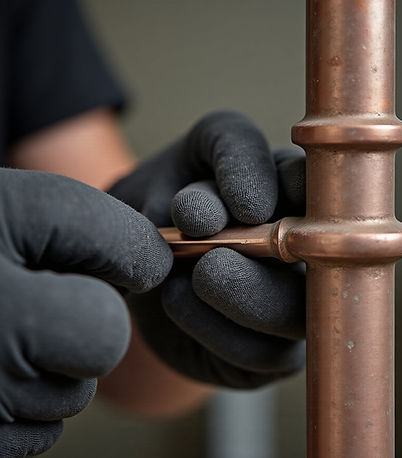
Plumbing: Like electrical work, plumbing is a critical trade with a steady demand for skilled workers. Veterans can find rewarding careers in residential or commercial plumbing.
HVAC (Heating, Ventilation, and Air Conditioning): This trade focuses on climate control systems. Veterans can benefit from training programs that teach them the necessary skills to work in this essential field.
Welding: Welding is a specialized skill that is highly sought after in various industries. Veterans with a knack for precision and safety can thrive in this area.
Each of these trades offers unique opportunities and challenges, allowing veterans to find a niche that suits their interests and skills.
Support Organizations for Veterans
Several organizations are dedicated to helping veterans transition into skilled trades. These groups provide resources, training, and support to ensure a smooth transition. Here are a few notable examples:
Home Builders Institute (HBI): HBI offers training programs specifically designed for veterans. They provide hands-on training in various construction trades, helping veterans gain the skills needed to succeed.
Helmets to Hardhats: This program connects veterans with job opportunities in the construction industry. They work with employers to ensure veterans have access to quality jobs.
Veterans in Construction: This organization focuses on providing resources and networking opportunities for veterans in the construction field. They aim to create a supportive community for veterans pursuing careers in trades.
SkillBridge: This Department of Defense program allows service members to gain civilian work experience through internships in various industries, including trades. It helps veterans transition smoothly into the workforce.
These organizations play a crucial role in empowering veterans and providing them with the tools they need to succeed in their new careers.
Training and Education Opportunities
Training is essential for veterans looking to enter the trades. Many programs offer hands-on experience and classroom instruction. Here are some options to consider:
Apprenticeships: Many trades offer apprenticeship programs that combine on-the-job training with classroom instruction. Veterans can learn from experienced professionals while earning a wage.
Trade Schools: Trade schools provide specialized training in various fields. These programs often focus on practical skills and can be completed in a relatively short time.
Community Colleges: Many community colleges offer programs in skilled trades. These programs are often more affordable and provide a solid foundation for entering the workforce.
Online Courses: For veterans who prefer flexible learning options, online courses are available in many trades. These courses can help veterans gain knowledge and skills at their own pace.
Investing in education and training is a vital step for veterans looking to build a successful career in the trades.
Real-Life Success Stories
Hearing from veterans who have successfully transitioned into trades can be inspiring. Here are a few success stories that highlight the positive impact of pursuing a career in skilled trades:
John, a former Army Sergeant: After serving in the military, John struggled to find a job that matched his skills. He enrolled in a plumbing apprenticeship program and quickly discovered his passion for the trade. Today, he runs his own plumbing business and employs other veterans.
Sarah, a Navy Veteran: Sarah always had an interest in electrical work. She took advantage of a local trade school program and completed her training. Now, she works as an electrician and mentors other veterans interested in the field.
Mike, a Marine Corps Veteran: Mike found his calling in welding after attending a community college program. He now works for a manufacturing company and has been able to provide for his family while enjoying a fulfilling career.
These stories demonstrate that with the right support and training, veterans can thrive in the trades.
Overcoming Challenges
While the path to a career in trades can be rewarding, it is not without challenges. Veterans may face obstacles such as:
Lack of Awareness: Many veterans may not know about the opportunities available in the trades. Raising awareness through outreach programs can help bridge this gap.
Transitioning Skills: Some veterans may struggle to see how their military skills translate to civilian trades. Training programs can help veterans understand how their experiences apply to their new roles.
Mental Health: Transitioning to civilian life can be difficult for some veterans. Support groups and counseling services can provide the necessary assistance to help veterans cope with these challenges.
By addressing these challenges, we can create a more supportive environment for veterans entering the trades.
The Future of Veterans in Trades
The future looks bright for veterans pursuing careers in trades. As the demand for skilled workers continues to grow, veterans will play a vital role in meeting this need.
Organizations are increasingly recognizing the value of hiring veterans, and many are actively seeking to recruit them. This trend is encouraging, as it not only benefits veterans but also strengthens the workforce as a whole.
Moreover, as more veterans enter the trades, they will continue to build a strong community. This sense of belonging can be incredibly empowering, providing veterans with the support they need to thrive in their new careers.
A New Chapter Awaits
Empowering veterans with trades is more than just providing job opportunities; it is about giving them a chance to build a new life. With the right training, support, and resources, veterans can find fulfilling careers that honor their skills and experiences.
As we continue to advocate for veterans in the trades, we can help them forge a path forward that is both rewarding and meaningful. The journey may be challenging, but the rewards are well worth the effort.

By investing in the future of our veterans, we are not only helping them succeed but also enriching our communities and industries. Together, we can create a brighter future for those who have served our country.
Comments