
Building Futures: Handyman Skills for Israeli Veterans
- Mo Brown
- Aug 26, 2025
- 4 min read

Transitioning from military life to civilian life can be challenging for many veterans. In Israel, where the military service is mandatory, veterans often face unique hurdles as they reintegrate into society. One effective way to ease this transition is by acquiring practical skills that can lead to stable employment. Handyman skills are not only in high demand but also provide veterans with a sense of purpose and accomplishment.
In this blog post, we will explore the importance of handyman skills for Israeli veterans, the types of skills they can learn, and how these skills can help them build a brighter future.
The Importance of Handyman Skills
Handyman skills encompass a wide range of abilities, from basic repairs to more complex construction tasks. These skills are valuable for several reasons:
Job Opportunities: The demand for skilled tradespeople is growing. Many homeowners and businesses need help with repairs and renovations.
Independence: Learning handyman skills allows veterans to take care of their own homes. This independence can boost their confidence and self-esteem.
Community Engagement: Veterans can use their skills to help others in their community. Volunteering for local projects can create a sense of belonging and purpose.
Financial Stability: Skilled trades often offer competitive wages. By becoming a handyman, veterans can secure a steady income.
Types of Handyman Skills to Learn
Veterans can benefit from learning a variety of handyman skills. Here are some essential skills that can be particularly useful:
1. Basic Carpentry
Carpentry is a fundamental skill for any handyman. It involves working with wood to create or repair structures. Veterans can learn to:
Build shelves, cabinets, and furniture.
Repair doors and windows.
Install flooring and trim.
2. Plumbing
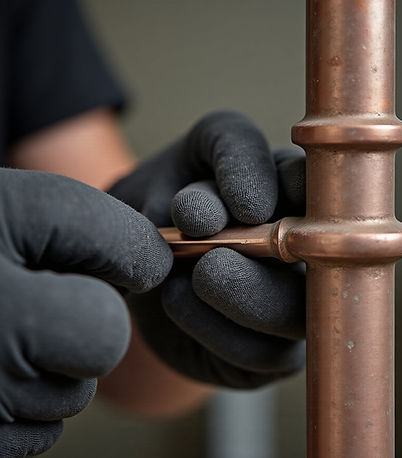
Plumbing skills are highly sought after. Veterans can learn to:
Fix leaky faucets and pipes.
Install toilets and sinks.
Unclog drains.
3. Electrical Work
Basic electrical skills can be very beneficial. Veterans can learn to:
Replace light fixtures and outlets.
Install ceiling fans.
Troubleshoot electrical issues.
4. Painting and Drywall
Painting and drywall work can transform a space. Veterans can learn to:
Prepare surfaces for painting.
Apply paint evenly and cleanly.
Repair and install drywall.
5. Landscaping and Outdoor Maintenance
Outdoor skills are also important. Veterans can learn to:
Maintain gardens and lawns.
Build fences and decks.
Install irrigation systems.
How to Get Started
Getting started with handyman skills is easier than many might think. Here are some practical steps for veterans:
1. Take Classes
Many community colleges and vocational schools offer courses in handyman skills. These classes provide hands-on experience and expert instruction.
2. Online Tutorials
The internet is full of resources. Websites and YouTube channels offer free tutorials on various handyman tasks. Veterans can learn at their own pace from the comfort of their homes.
3. Volunteer
Volunteering for local organizations can provide valuable experience. Many non-profits need help with repairs and renovations. This is a great way to practice skills while giving back to the community.
4. Find a Mentor
Connecting with an experienced handyman can be incredibly beneficial. A mentor can provide guidance, share tips, and help veterans build their confidence.
5. Practice
Like any skill, practice is key. Veterans should take on small projects at home to build their skills. Over time, they can tackle more complex tasks.
Building a Business
For some veterans, handyman skills can lead to entrepreneurship. Starting a handyman business can be a rewarding way to use their skills. Here are some steps to consider:
1. Create a Business Plan
A solid business plan outlines goals, target customers, and financial projections. This plan will serve as a roadmap for the business.
2. Register the Business
Veterans should register their business with the appropriate authorities. This step is crucial for legal and tax purposes.
3. Market the Services
Effective marketing is essential for attracting customers. Veterans can use social media, local advertising, and word-of-mouth to promote their services.
4. Build a Portfolio
Creating a portfolio of completed projects can help showcase skills to potential clients. Before-and-after photos can be particularly effective.
5. Network
Building relationships with other professionals can lead to referrals and partnerships. Networking can help veterans grow their business and connect with potential clients.
Success Stories
Many Israeli veterans have successfully transitioned into handyman roles. Here are a few inspiring stories:
1. David's Journey
David served in the IDF for several years. After leaving the military, he struggled to find a job. He decided to take a carpentry course at a local community college. With his newfound skills, he started a small business building custom furniture. Today, David is thriving and enjoys the freedom of being his own boss.
2. Sarah's Impact
Sarah, a former combat medic, found it difficult to adjust to civilian life. She took a plumbing course and began volunteering with a local non-profit that helps low-income families with home repairs. Sarah now works as a licensed plumber and feels fulfilled knowing she is making a difference in her community.
3. Eli's Transformation
Eli was unsure of his future after leaving the military. He enrolled in an electrical training program and quickly discovered his passion for the trade. After gaining experience, he started his own electrical business. Eli now employs other veterans and is proud to give back to those who served.
Resources for Veterans
There are many resources available to help veterans learn handyman skills and start their careers. Here are some organizations and programs to consider:
Veterans Affairs (VA): The VA offers various programs to support veterans in their transition to civilian life, including vocational training.
Local Community Colleges: Many community colleges offer affordable courses in trades and handyman skills.
Non-Profit Organizations: Organizations like Habitat for Humanity provide training and volunteer opportunities for veterans.
Online Learning Platforms: Websites like Udemy and Coursera offer courses in various handyman skills.
The Path Forward
Handyman skills can provide Israeli veterans with the tools they need to succeed in civilian life. By learning these skills, veterans can find meaningful employment, gain independence, and contribute to their communities.
As they build their futures, veterans can take pride in their abilities and the positive impact they have on those around them.
The journey from military service to civilian life can be challenging, but with the right skills and support, veterans can thrive. Handyman skills are not just about fixing things; they are about building a future filled with opportunities and hope.
By investing in their skills, Israeli veterans can create a brighter tomorrow for themselves and their families. The road may be long, but the rewards are worth the effort.
Comments